
"A Letter to Dion" by Bernard Mandeville is a philosophical argument from the 1700s that serves as a defense of his prior book, "The Fable of the Bees," in response to criticism from Bishop Berkeley. The book is set up as a letter and seeks to clarify misunderstandings regarding his views on human flaws and right and wrong, which some perceived as promoting wickedness. Mandeville explains that his writings are meant to examine how so-called vices actually play a key, though often unacknowledged, role in helping society prosper by discussing human nature and its impact on the way society and government are set up.

A Letter to Dion
By Bernard Mandeville
Explore a controversial argument about whether so-called bad behavior might actually be a secret ingredient for a successful society.
Genres
Released
2009-07-21
Formats
epub
mobi
mobi (images)
epub3 (images)
epub (images)
txt
Free Download
Summary
About the AuthorBernard Mandeville, or Bernard de Mandeville, was an Anglo-Dutch philosopher, political economist, satirist, writer and physician. Born in Rotterdam, he lived most of his life in England and used English for most of his published works. He became famous for The Fable of the Bees.
Bernard Mandeville, or Bernard de Mandeville, was an Anglo-Dutch philosopher, political economist, satirist, writer and physician. Born in Rotterdam, he lived most of his life in England and used English for most of his published works. He became famous for The Fable of the Bees.
Total Reviews
10.0k
Total reviews from Goodreads may change
More Like This
Explore books similar to the one you're viewing

Modest Remarks upon the Bishop of London's Letter Concerning the Late Earthquakes
By Anonymous
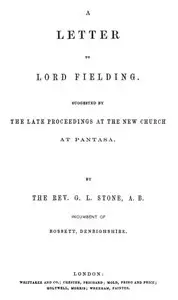
A Letter to Lord Fielding. Suggested by the late proceedings at the New Church at Pantasa
By George Luther Stone

Letters to Eugenia; Or, A Preservative Against Religious Prejudices
By Paul Henri Thiry Holbach

The Fable of the Bees; Or, Private Vices, Public Benefits
By Bernard Mandeville

A Letter to the Society for the Suppression of Vice, on Their Malignant Efforts to Prevent a Free Enquiry After Truth and Reason
By Richard Carlile

A Theodicy, or, Vindication of the Divine Glory
By Albert Taylor Bledsoe

A Series of Letters, in Defence of Divine Revelation In Reply to Rev. Abner Kneeland's Serious Inquiry into the Authenticity of the Same. To Which is Added, a Religious Correspondence, Between the Rev. Hosea Ballou, and the Rev. Dr. Joseph Buckminster and Rev. Joseph Walton, Pastors of Congregational Churches in Portsmouth, N. H.
By Hosea Ballou
More by This Author
Discover other books written by the same author
The Fable of the Bees; Or, Private Vices, Public Benefits
By Bernard Mandeville

An Enquiry into the Causes of the Frequent Executions at Tyburn (1725)
By Bernard Mandeville

An Enquiry into an Origin of Honour; and the Usefulness of Christianity in War
By Bernard Mandeville

A Letter to Dion
By Bernard Mandeville

Aesop Dress'd; Or, A Collection of Fables Writ in Familiar Verse
By Bernard Mandeville
Related by Category
Discover books in the same genre or category

The Seekers
By Jessie E. (Jessie Ethel) Sampter

The Making of an Apostle
By R. J. (Reginald John) Campbell

Mater Christi: Meditations on Our Lady
By Mother St. Paul
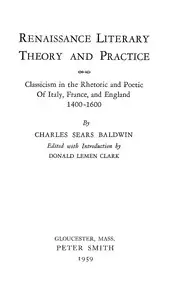
Renaissance literary theory and practice : $b Classicism in the rhetoric and poetic of Italy, France, and England 1400-1600
By Charles Sears Baldwin

We Moderns: Enigmas and Guesses
By Edwin Muir
The Fable of the Bees; Or, Private Vices, Public Benefits
By Bernard Mandeville