
"What Was the Religion of Shakespeare?" by M. M. (Mangasar Mugurditch) Mangasarian is a lecture transformed into a book that grapples with the enigma of William Shakespeare's spiritual leanings, arguing that his plays reveal a preference for naturalistic and rational thought over established religions. Penned in the early years of the 20th century, it deconstructs Shakespeare's literary works to challenge assumptions about his religious affiliation. Mangasarian puts forth the idea that Shakespeare's writings demonstrate a doubt of traditional religious beliefs, and he examines different critical viewpoints on whether Shakespeare followed Christianity or other religions. Instead, Shakespeare supported an ethical understanding of life focused on goodness, beauty, and truth. Through references to plays such as "Hamlet," "Macbeth," and "Romeo and Juliet," Mangasarian makes the case that Shakespeare adopts a humanistic view, where people control their destinies instead of God. This paints Shakespeare as someone who promotes a concept that is based in naturalism and moral principles.

What Was the Religion of Shakespeare?
By M. M. (Mangasar Mugurditch) Mangasarian
Discover how Shakespeare's plays point away from traditional faith and towards a philosophy of humanism, prompting debate about his true spiritual leanings.
Summary
About the AuthorMangasar Magurditch Mangasarian was an American rationalist and secularist of Armenian descent.
Mangasar Magurditch Mangasarian was an American rationalist and secularist of Armenian descent.
More Like This
Explore books similar to the one you're viewing
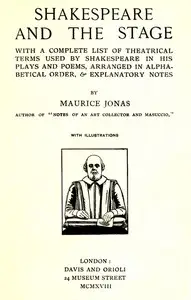
Shakespeare and the Stage With a Complete List of Theatrical Terms Used by Shakespeare in His Plays and Poems, Arranged in Alphabetical Order, & Explanatory Notes
By Maurice Jonas

William Shakespeare
By John Masefield

Plays and Puritans
By Charles Kingsley

The religion of Plutarch : $b A pagan creed of apostolic times
By John Oakesmith

Elizabethan Demonology An Essay in Illustration of the Belief in the Existence of Devils, and the Powers Possessed By Them, as It Was Generally Held during the Period of the Reformation, and the Times Immediately Succeeding; with Special Reference to Shakspere and His Works
By Thomas Alfred Spalding

Shakspere and Montaigne An Endeavour to Explain the Tendency of 'Hamlet' from Allusions in Contemporary Works
By Jacob Feis
The Shakespearean Myth: William Shakespeare and Circumstantial Evidence
By Appleton Morgan
More by This Author
Discover other books written by the same author

Is Life Worth Living Without Immortality? A Lecture Delivered Before the Independent Religious Society, Chicago
By M. M. (Mangasar Mugurditch) Mangasarian

What Is Christian Science?
By M. M. (Mangasar Mugurditch) Mangasarian

Morality Without God A Lecture Delivered Before the Independent Religious Society
By M. M. (Mangasar Mugurditch) Mangasarian
The Story of Joan of Arc the Witch-Saint
By M. M. (Mangasar Mugurditch) Mangasarian

The Church In Politics—Americans Beware!
By M. M. (Mangasar Mugurditch) Mangasarian

The Bible Unveiled
By M. M. (Mangasar Mugurditch) Mangasarian
Related by Category
Discover books in the same genre or category

The Life of St. Frances of Rome, and Others
By Georgiana Fullerton
Christ the True Melchisedec Being the substance of a sermon, preached on Sunday evening, July 24th, 1813, at the Obelisk Chapel
By J. (John) Church

The Discipline of War Nine Addresses on the Lessons of the War in Connection with Lent
By John Hasloch Potter
Index of the Project Gutenberg Works of Robert G. Ingersoll
By Robert Green Ingersoll

His Life: A Complete Story in the Words of the Four Gospels
By William E. (William Eleazar) Barton
Forerunners and rivals of Christianity : $b being studies in religious history from 330 B.C. to 330 A.D., Vol. 1 (of 2)
By Francis Legge